
The Keys to Productivity and Success? Try Rest and Relaxation
April 14, 2015

Want to be more productive and successful in your work? Solutions like cultivating a hobby, taking a walk, or digitally disconnecting may not have jumped into your mind, but maybe they should. Take a look at this Washington Post article:
http://www.washingtonpost.com/news/inspired-life/wp/2015/04/13/how-charles-darwin-used-rest-to-be-more-productive-and-how-you-can-too/ Read More...
Office Speak: Where Did it Come From?
April 13, 2015
An interesting article from The Atlantic on "The Origins of Office Speak". The article discusses some linguistic, cultural & psychological insights that help explain where office speak came from.
And you thought it was one of those glorious things that just happened.
http://www.theatlantic.com/features/archive/2014/04/business-speak/361135/ Read More...
Intolerance of Uncertainty and Its Impact on Your Career
March 19, 2015
Good article by Julie Beck in The Atlantic about people’s varying intolerances for uncertainty. Some of us are more tolerant of uncertainty and some of us less.
In the article, which you can read here, Beck discusses how avoidance is a major way people try to cope, ineffectively, with uncertainty. She goes on to describe how avoident coping mechanisms can be self-sabotaging in the context of people’s career.
“Avoidance taken too far could manifest itself in something like turning down a promotion at work.”
Sounds nearly unbelievable that someone would be that self sabotaging, but that kind of thinking and behavior, made in the fog of anxiety and intolerance of uncertainty, happens all the time. It negatively impacts people’s careers and lives in profound ways.
Managing anxiety, and intolerance of uncertainty, is a key skill in life and career, and one that many of us need more assistance with than we may have thought. Read More...
How We Unconciously Beat Up Ourselves
March 18, 2015
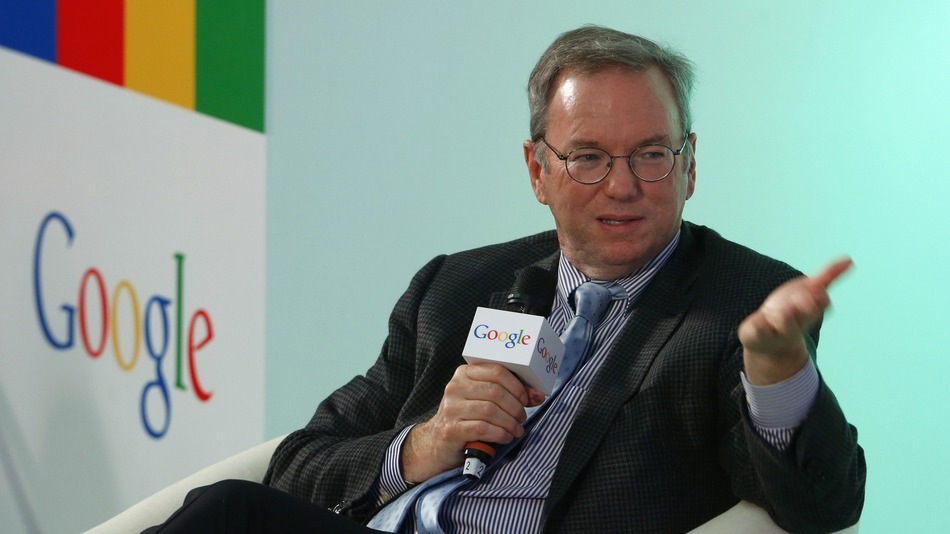
Mashable posted an interesting article on how two powerful men showcased their unconscious biases towards a powerful woman during a panel discussion at SXSW.
Eric Schmidt, the executive chairman of Google, and Walter Isaacson, the well-known and accomplished biographer, were called out for interrupting Megan Smith, the US Chief Technology Officer. It just so happens that the person who called them out is the woman who heads Google’s program on unconscious bias. You can read the article here.
All of it is a great moment for showing how psychology is powerfully alive in the most interesting and high level of places, which is of no surprise to this writer who is a psychologist. I believe the incident will be valuable in helping people better understand and work to decrease the powerful negative effects of our unconscious biases towards others.
What I want to point out is how the incident can open the door to talking about the negative, unconscious biases we also have towards ourselves.
Much social psychology research has shown that we humans think in unconsciously distorted, biased ways about ourselves. And much of it can be negatively skewed. Take for example the spotlight effect. We go through our lives thinking the spotlight is on us; that everyone is going to notice our bad hair day, our less than perfect status report, our less than stellar shirt selection. We do not think about how everyone else is just as self-focused, and thus how unlikely it is that other people will think twice about our hair, report or shirt. They are too busy thinking about their own.
The spotlight effect is just one example, but it is a springboard into the many ways we can easily experience negatively skewed, unconscious biases regarding ourselves. These unconscious biases can significantly lower our confidence, performance, success and contentment, let alone increase our anxiety and depression.
It is very important that we improve our awareness and reduce the negative power of the unconscious biases we have towards others, especially social groups historically victimized by prejudice. But it also vital that we come to better understand and shift the unconscious, negative biases we humans have for ourselves. Greater well-being and success rest in the balance.
Read More...
Brilliant Insight re: the Challenges of Work-Life Balance.
March 12, 2015
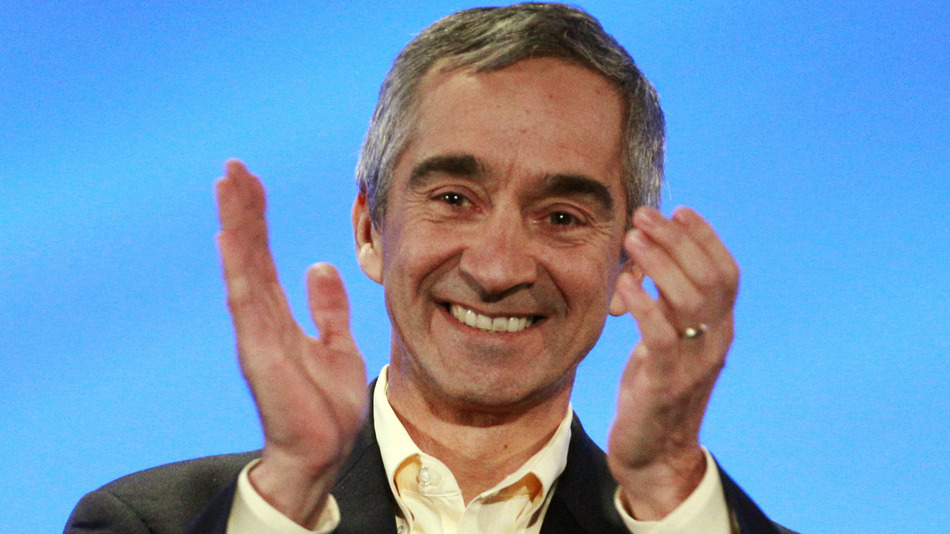
Brilliant insight re: the challenges of work-life balance. Sure, few of us may realize this level of financial freedom, but one doesn't need to be wealthy to begin to question how much is too much, and when is the right time? Where do you fall on the work-life balance meter?
http://mashable.com/2015/03/10/googles-cfo-retires-memo/#:eyJzIjoiZiIsImkiOiJfMGdhY3MxYnpkZjh2YTZmZyJ9 Read More...