How We Unconciously Beat Up Ourselves
March 18, 2015
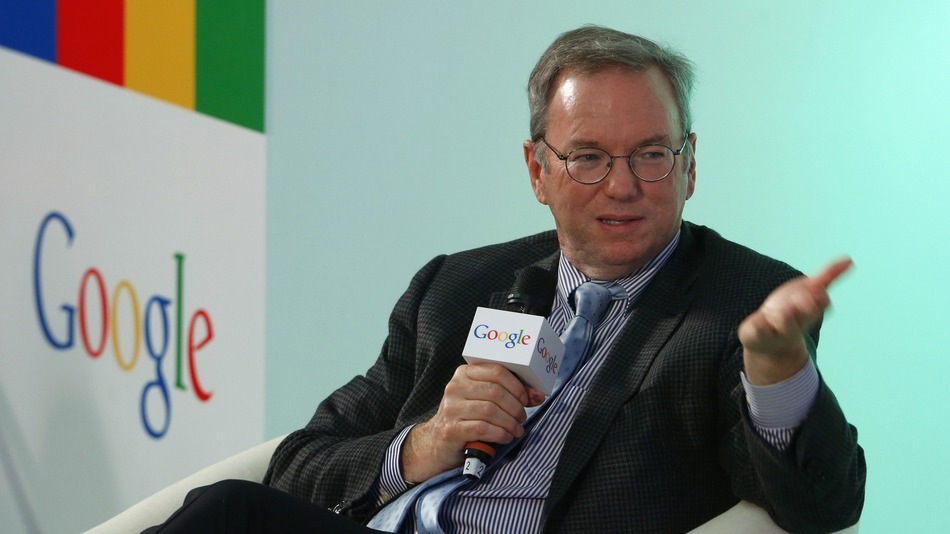
Mashable posted an interesting article on how two powerful men showcased their unconscious biases towards a powerful woman during a panel discussion at SXSW.
Eric Schmidt, the executive chairman of Google, and Walter Isaacson, the well-known and accomplished biographer, were called out for interrupting Megan Smith, the US Chief Technology Officer. It just so happens that the person who called them out is the woman who heads Google’s program on unconscious bias. You can read the article here.
All of it is a great moment for showing how psychology is powerfully alive in the most interesting and high level of places, which is of no surprise to this writer who is a psychologist. I believe the incident will be valuable in helping people better understand and work to decrease the powerful negative effects of our unconscious biases towards others.
What I want to point out is how the incident can open the door to talking about the negative, unconscious biases we also have towards ourselves.
Much social psychology research has shown that we humans think in unconsciously distorted, biased ways about ourselves. And much of it can be negatively skewed. Take for example the spotlight effect. We go through our lives thinking the spotlight is on us; that everyone is going to notice our bad hair day, our less than perfect status report, our less than stellar shirt selection. We do not think about how everyone else is just as self-focused, and thus how unlikely it is that other people will think twice about our hair, report or shirt. They are too busy thinking about their own.
The spotlight effect is just one example, but it is a springboard into the many ways we can easily experience negatively skewed, unconscious biases regarding ourselves. These unconscious biases can significantly lower our confidence, performance, success and contentment, let alone increase our anxiety and depression.
It is very important that we improve our awareness and reduce the negative power of the unconscious biases we have towards others, especially social groups historically victimized by prejudice. But it also vital that we come to better understand and shift the unconscious, negative biases we humans have for ourselves. Greater well-being and success rest in the balance.